NDPC Prioritises Infrastructure and Institutional Reforms in Consolidated National Development Plan
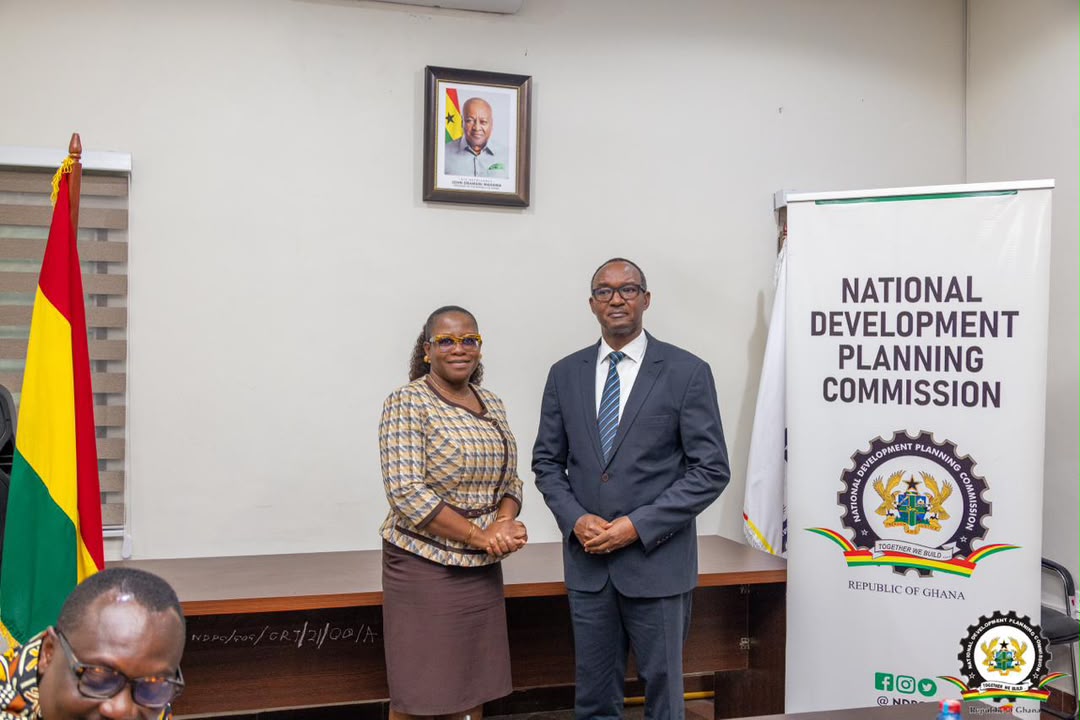
The Chairman of the National Development Planning Commission (NDPC), Dr. Nii Moi Thompson, has emphasised the urgent need for improved infrastructure and stronger institutional reforms as part of efforts to develop a Consolidated National Development Plan for Ghana.
Speaking during a consultative engagement in Wa, Upper West Region, Dr. Thompson reflected on his first visit to the area more than three decades ago and expressed concern that some development challenges remain unresolved. “Over the past thirty-three years, the world has undergone tremendous transformation… yet we have struggled to construct a simple road connecting two major regions of our country,” he said, describing the situation as a significant reflection on the country’s development efforts.
Dr. Thompson explained that the Commission is working to consolidate several national development frameworks into a single, coherent plan to guide the country’s growth. According to him, the new Consolidated National Development Plan will place stronger emphasis on infrastructure, spatial development, institutional reforms, and decentralisation, while also drawing guidance from the Directive Principles of State Policy in the 1992 Constitution of Ghana. “Infrastructure development is not only about bringing in external contractors to build roads for us; we must also develop our own construction industry and domestic capacity,” he noted.
He also stressed the importance of discipline and national values, adding that “development is not only about infrastructure and economic indicators but also about integrity, law and order, and the pursuit of excellence.”
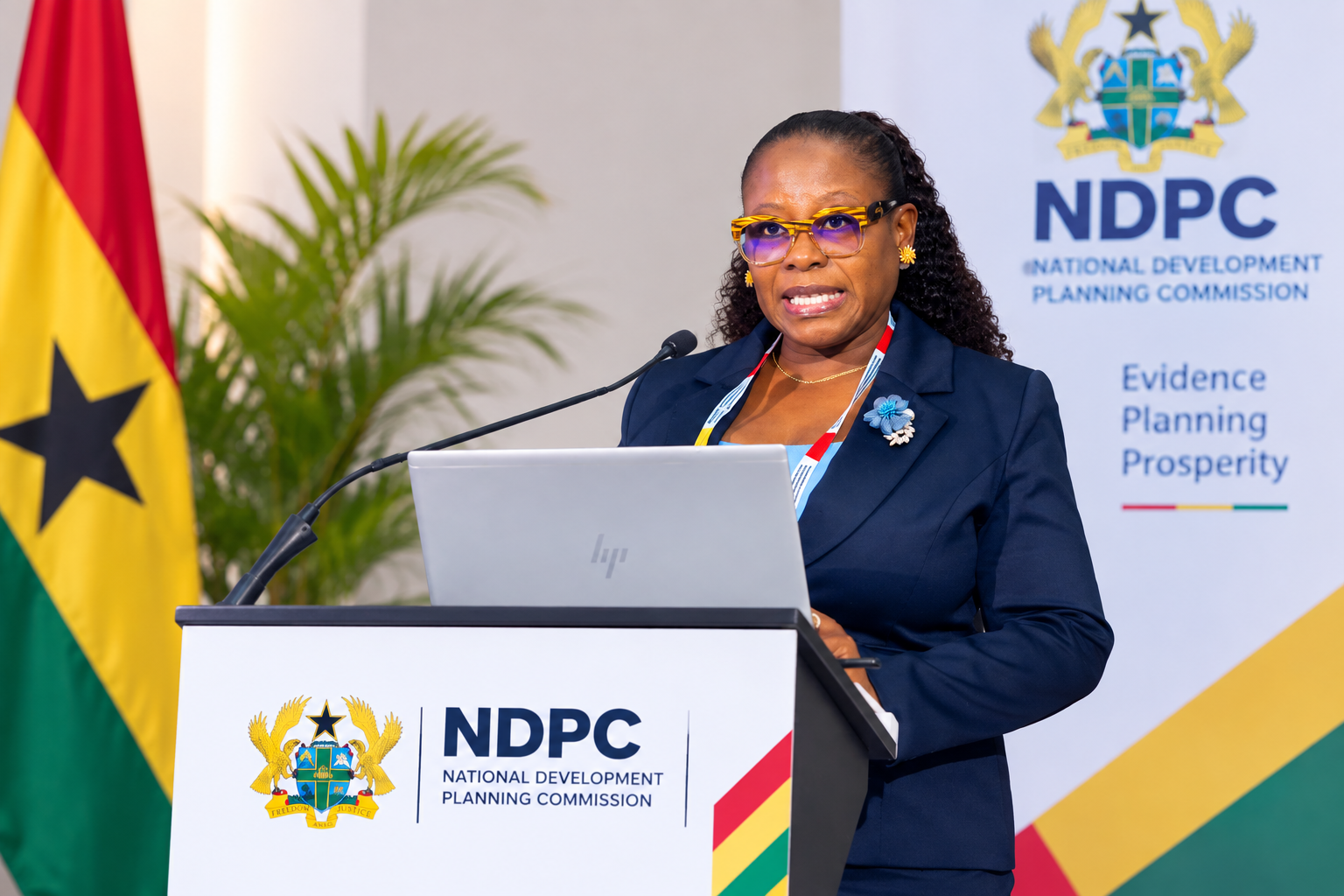
On her part, the Director-General of the NDPC, Dr. Audrey Smock Amoah, highlighted the critical role of effective planning and timely reporting by Metropolitan, Municipal, and District Assemblies (MMDAs) in strengthening national development coordination. She explained that the country’s planning system operates as a chain linking the district, regional, and national levels, where each report feeds into broader monitoring of development progress. “One person’s output becomes the input for the next level,” Dr. Amoah noted, adding that delays by districts in submitting reports could affect the preparation of the National Annual Progress Report.
She further emphasised that development planning is essential for institutions just as it is for individuals. Drawing a simple analogy, Dr. Amoah explained that “if a woman goes to the market without a list, she may return with items she did not plan for and even miss something very important.” She therefore urged local authorities to ensure that development plans are properly prepared, implemented, and monitored to address the real needs of communities.
The Upper West Regional Minister, Hon. Charles Lwanga Puozuing, described the engagement as timely as the country works toward harmonising its various long-term development frameworks. He noted that initiatives such as the 40-Year Long-Term National Development Plan, the Ghana Beyond Aid Charter, and Ghana@100 all contain valuable ideas that must be aligned into a single national blueprint.